
Reading opponents in poker is one of the most valuable skills that separate consistent winners from average players. It involves understanding behavior patterns, betting tendencies, and emotional control at the table. When you develop strong observation skills, every hand becomes an opportunity to gather information and make better decisions. This skill grows with practice and awareness, allowing you to gain a strategic edge in every session.
Understanding Opponent Behavior Patterns
Successful poker reading starts with identifying patterns. Players often repeat actions unconsciously, revealing valuable clues. Some may bluff frequently in certain positions, while others only bet strong hands aggressively. By tracking these tendencies, you can make more informed decisions and reduce uncertainty during critical moments.
Over time, these small observations build a clearer picture of how each opponent thinks and reacts under pressure. The more consistent your observation, the more accurate your predictions become.
Building Strong Pre-Flop Awareness
A powerful way to improve opponent reading is by strengthening your understanding of pre-flop ranges. A gtowizard翻前範圍 helps develop structured thinking around starting hand distributions, allowing players to better predict what opponents may hold based on their actions. This awareness improves your ability to narrow down possibilities and respond with confidence. It also encourages disciplined decision-making, reducing emotional plays and increasing long-term consistency.
Key benefits of developing pre-flop awareness include:
- Recognizing position-based hand strengths
- Identifying common pre-flop raising patterns
- Understanding range narrowing after each action
- Improving decision accuracy under pressure
When you combine structured range thinking with live observation, your ability to read opponents becomes significantly sharper.
Key Signals to Observe At the Table
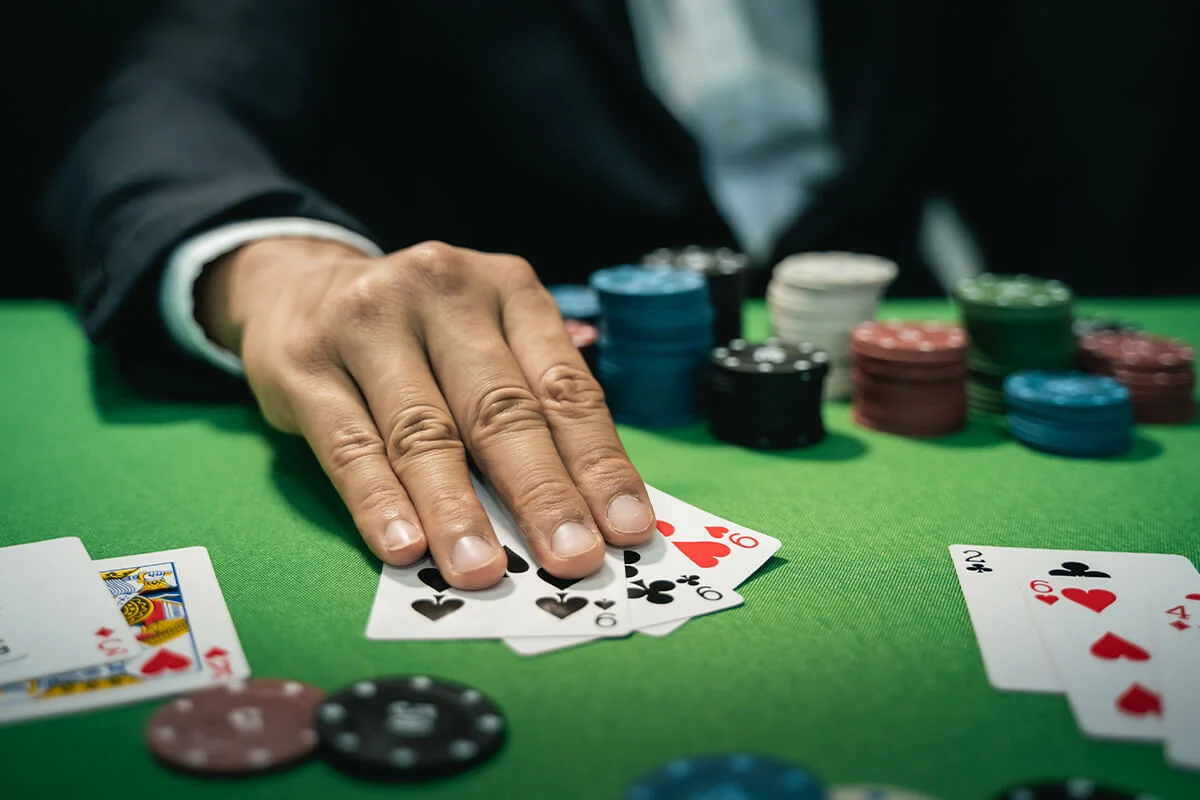
Beyond betting patterns, physical and timing tells also provide valuable insights. Quick bets may indicate confidence or bluff attempts, while hesitation often signals uncertainty. Body language, chip handling, and reaction to community cards can also reveal hidden information. Combining these signals with logical reasoning strengthens your overall reading ability.
Consistently observing these details helps you detect subtle shifts in opponent behavior that others may miss.
Additional signals to focus on:
- Betting speed and timing consistency
- Changes in posture or focus
- Reaction after community cards are revealed
- Frequency of bluffing in similar situations
Practical Strategies to Improve Reads
Improving opponent reading requires consistent practice. Focus on observing more than acting during early stages of play. Take mental notes on player tendencies and adjust your strategy accordingly. Reviewing hands after sessions also helps reinforce learning and identify missed opportunities.
Another effective approach is to categorize players into simple types such as tight, loose, aggressive, or passive. This makes it easier to anticipate their decisions in different scenarios and respond with better strategy adjustments.
Conclusion
Mastering the art of reading opponents is a gradual but highly rewarding process. With attention to detail, structured thinking, and continuous practice, you can significantly improve your decision-making skills and overall performance at the table. Over time, these skills transform your gameplay into a more controlled, confident, and strategically powerful approach.